
Trisrota Shakti Peeth (Maa Bhramari Temple), Jalpaiguri – History, Significance & Visitor Guide
About Trisrota Shakti Peeth
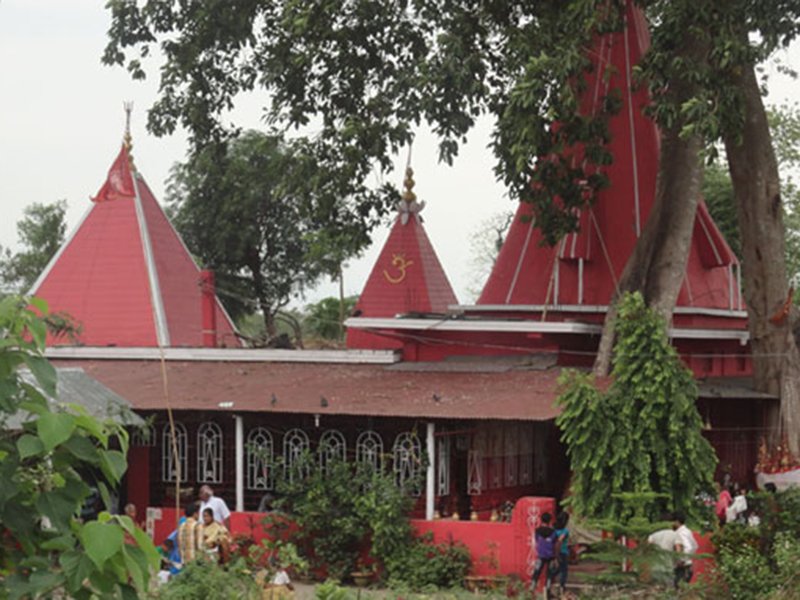
Trisrota Shaktipeeth Temple, also known as Maa Bhramari Temple, is one of the sacred 51 Shakti Peethas in India. The temple stands near the Teesta River at Bodaganj (Shalbari), Jalpaiguri district, West Bengal. Devotees worship Goddess Sati here as Maa Bhramari, the Goddess of Bees, while Lord Shiva is worshipped as Bhairav Ishwar.
History of Trisrota Shakti Peeth
According to Hindu mythology, the thumb of Goddess Sati’s left foot fell at this sacred place after Lord Vishnu used the Sudarshan Chakra to end Lord Shiva’s grief during his Tandava. This divine event established Trisrota as one of the most revered Shakti Peeths and an important pilgrimage destination in West Bengal.
Mythological Significance
The temple is closely linked to the legend of Arunasura, a powerful demon who conquered heaven and troubled the gods. To defeat him, Goddess Adi Shakti appeared as Maa Bhramari. She created countless divine bees that attacked and destroyed the demon. Since then, devotees have worshipped Maa Bhramari as the protector of righteousness and the remover of evil.
Spiritual Importance
Devotees believe that Trisrota Shakti Peeth radiates powerful spiritual energy. Many consider it a sacred place for seeking health, prosperity, peace, and spiritual growth. Ancient traditions also associate the shrine with the heart chakra, symbolizing protection, healing, and inner strength.
Inside the temple, Goddess Maa Bhramari is worshipped alongside Bhairav Ishwar, the guardian deity of this Shakti Peeth.
Temple Highlights
Visitors come here not only for worship but also for the temple’s peaceful surroundings and unique features.
- Sacred shrine of Maa Bhramari, one of the 51 Shakti Peethas.
- Holy Joda Banyan Tree, where two banyan trees have naturally merged.
- A sacred cave with naturally flowing water that pilgrims visit during darshan.
- Calm forest surroundings that create a peaceful spiritual atmosphere.
Festivals and Celebrations
The temple comes alive during Navratri, when thousands of devotees gather for special prayers and celebrations. The annual Chaitra Festival (April) also attracts pilgrims from across West Bengal and nearby states. During these festivals, priests perform special pujas, yajnas, and religious rituals.
How to Reach Trisrota Shakti Peeth
The temple is located about 25 km from Jalpaiguri Road Railway Station and around 30 km from Siliguri. Visitors can easily hire an auto-rickshaw, toto, or private cab from the railway station or Siliguri.
Temple Timings
The temple generally remains open from 8:00 AM to 6:00 PM. Since it is located inside a reserve forest area, visitors should complete their journey before evening. Local authorities often restrict vehicle movement after 4:00 PM because wild elephants frequently cross the forest roads.
Nearby Attractions
A pilgrimage to Trisrota Shakti Peeth can be combined with visits to several popular attractions in North Bengal:
- Sevoke Kali Temple
- ISKCON Siliguri
- Salugara Monastery
- Hong Kong Market, Siliguri
These destinations make the trip a perfect blend of spirituality, culture, and sightseeing.
Why Visit Trisrota Shakti Peeth?
Trisrota Shakti Peeth offers a unique combination of mythology, devotion, and natural beauty. Whether you seek divine blessings, spiritual peace, or wish to explore one of West Bengal’s most sacred temples, Maa Bhramari Temple provides a deeply fulfilling pilgrimage experience.
You can check west bengal shaktipeeth packages.