
Attahas Shakti Peeth (Phullara Temple), West Bengal – History, Significance & Visitor Guide
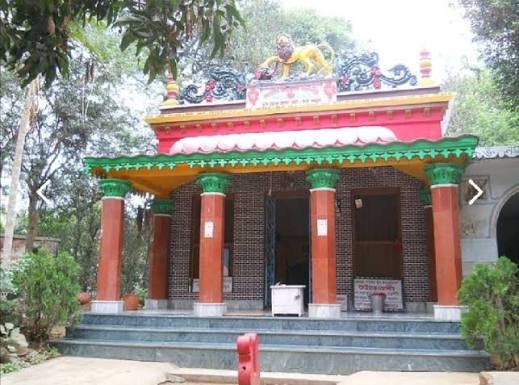
Attahas Shaktipeeth Temple, also known as Phullara Shakti Peeth, is one of the sacred 51 Shakti Peethas of India. Located near Nirol village in Purba Bardhaman district, West Bengal, this revered shrine is believed to be the place where the lower lip (Adhara) of Goddess Sati fell. Here, Goddess Shakti is worshipped as Maa Phullara (Fullara), while Lord Shiva is worshipped as Bhairav Vishwesh (Vishweshwar).
Surrounded by lush greenery and the peaceful Ishani River, Attahas Shakti Peeth offers a serene atmosphere ideal for meditation, prayer, and spiritual reflection. A meditation hall (mandap) in front of the deity allows devotees to sit quietly and experience the temple’s tranquil energy.
History & Legend of Attahas Shakti Peeth
The name Attahas comes from the Sanskrit words “Atta” (loud) and “Hasa” (laughter), meaning divine loud laughter. According to Hindu mythology, after Goddess Sati sacrificed herself during King Daksha’s yajna, Lord Shiva wandered the universe carrying her body. To restore cosmic balance, Lord Vishnu used his Sudarshan Chakra to divide Sati’s body into 51 parts. The lower lip of Goddess Sati is believed to have fallen at Attahas, making it one of the holiest Shakti Peethas.
The temple houses a sacred stone representing the Goddess’s lower lip. Beside the main shrine are temples dedicated to Lord Bhairav and Lord Shiva, while a sacred pond nearby is associated with the legend that Lord Hanuman collected 108 blue lotuses from here for Lord Rama’s worship of Goddess Durga.
Spiritual Significance
Attahas Shakti Peeth is an important pilgrimage destination for followers of Shaktism. Devotees visit to seek:
- Divine protection and blessings
- Success in career and education
- Harmony in marriage and family life
- Inner peace through meditation
- Confidence and strength in speech and communication
The temple’s peaceful surroundings make it an excellent destination for both pilgrims and nature lovers.
Major Festivals
The temple witnesses large gatherings during:
- Phullora Mela
- Durga Puja
- Navaratri
- Maha Shivaratri
- Kali Puja
During these festivals, the temple is beautifully decorated, and special rituals, devotional music, and cultural celebrations take place.
Temple Timings
- Morning: 5:30 AM – 1:00 PM
- Evening: 3:30 PM – 8:30 PM (after evening Aarti)
Best Time to Visit
The ideal time to visit Attahas Shakti Peeth is August to March, especially during Durga Puja, Navaratri, and the pleasant winter months of November to February.
Why Visit Attahas Shakti Peeth?
Unlike many crowded pilgrimage sites, Attahas Shakti Peeth offers a peaceful spiritual experience amidst nature. Whether you come for devotion, meditation, or to explore one of India’s ancient Shakti Peethas, the temple provides a deeply enriching and unforgettable experience. It remains one of West Bengal’s hidden spiritual gems, preserving centuries of faith, mythology, and divine tradition.
How to Reach Attahas Shakti Peeth
- Distance from Bardhaman: Approximately 73 km north
- Nearest Railway Station: Labhpur Railway Station (around 30 km)
- Nearest Airport: Kazi Nazrul Islam Airport (around 113 km)
- By Road: Well connected by buses and private vehicles from Bardhaman, Katwa, Bolpur, and Kolkata.
You can check west bengal shaktipeeth packages.